
Contact Info
-
8/251-6, Bharathi Nagar 1st Street, (Near-Thangam Mahal), Kalankarai, Ramanathapuram - 623 503.
- vimalathithan1987@gmail.com
- 7558118917
8/251-6, Bharathi Nagar 1st Street, (Near-Thangam Mahal), Kalankarai, Ramanathapuram - 623 503.


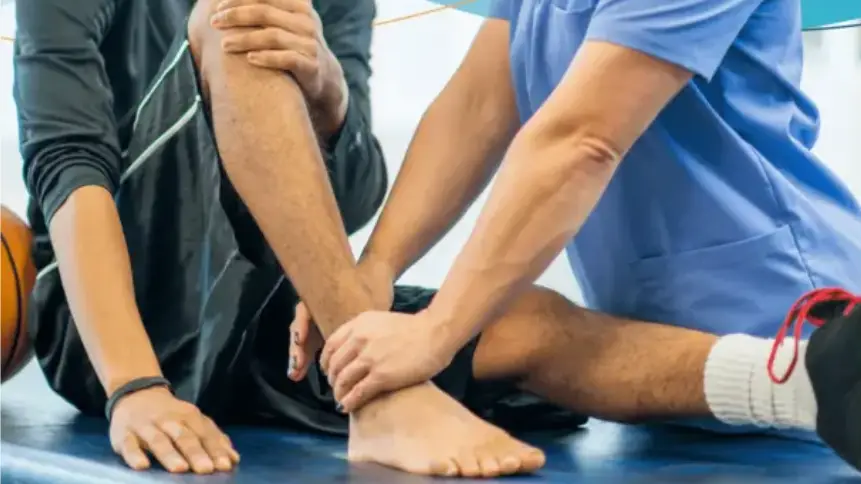
Sports injuries can significantly affect mobility, strength, and overall physical performance, especially when they involve important joints such as the knee. One of the most common sports-related knee injuries is an Anterior Cruciate Ligament (ACL) injury, which can occur due to sudden twisting movements, high-impact activities, or improper landing during sports. At BM Physio Clinic, a trusted physiotherapy clinic in Ramanathapuram, we provide specialized sports injury rehabilitation programs designed to help athletes and active individuals recover safely and regain their physical performance.
ACL rehabilitation focuses on restoring knee stability, improving muscle strength, and gradually returning patients to their normal activities or sports participation. At BM Physio Clinic, physiotherapy treatment includes evidence-based rehabilitation exercises, manual therapy techniques, and structured recovery programs tailored to each patient’s condition. With proper physiotherapy care and guided rehabilitation, patients can regain knee strength, improve mobility, and prevent future sports-related injuries.
ACL rehabilitation is a structured physiotherapy program designed to restore knee strength, stability, and mobility after an anterior cruciate ligament injury. The ACL is an important ligament in the knee joint that helps control movement and maintain joint stability during physical activities such as running, jumping, and sudden direction changes.
At BM Physio Clinic, ACL rehabilitation programs focus on improving knee flexibility, strengthening surrounding muscles, and restoring functional movement. Through evidence-based physiotherapy techniques and guided rehabilitation exercises, patients can gradually return to sports and daily activities safely.
Physiotherapy plays an essential role in ACL injury recovery by improving knee stability and restoring muscle strength. Rehabilitation programs include targeted exercises that strengthen the quadriceps, hamstrings, and surrounding muscles to support the knee joint.
At BM Physio Clinic, physiotherapists design personalized rehabilitation plans based on the severity of the injury and the patient’s activity level. These structured physiotherapy programs help patients regain movement, reduce pain, and improve overall knee function.
ACL rehabilitation typically begins soon after the injury or after ACL surgery, depending on the patient’s condition and medical guidance. Early physiotherapy intervention helps prevent stiffness, muscle weakness, and reduced knee mobility.
At BM Physio Clinic, physiotherapists assess the knee condition and begin rehabilitation exercises that gradually improve strength and movement. Starting physiotherapy at the right time supports faster recovery and improves overall rehabilitation outcomes.
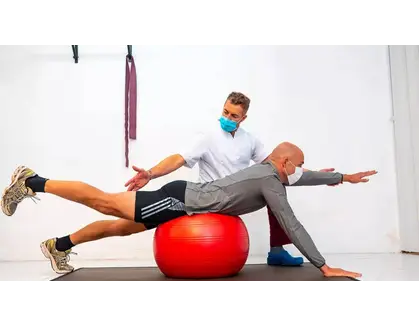
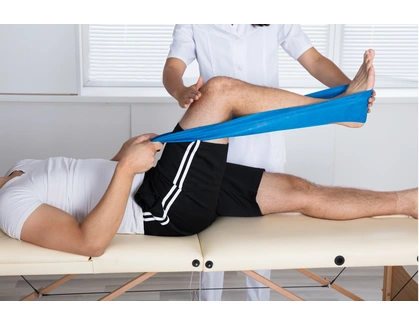
Sports injury rehabilitation is essential for restoring strength, mobility, and performance after an injury. Without proper rehabilitation, athletes may experience reduced physical ability or a higher risk of re-injury.
Physiotherapy rehabilitation focuses on strengthening muscles, improving joint stability, and correcting movement patterns. At BM Physio Clinic, structured rehabilitation programs help athletes and active individuals safely return to sports while protecting the knee from further damage.
ACL rehabilitation is beneficial for athletes, sports enthusiasts, and individuals who experience knee injuries due to physical activity. It is also recommended for patients recovering from ACL surgery or knee ligament damage.
At BM Physio Clinic, rehabilitation programs are tailored for individuals of different activity levels, from professional athletes to people with active lifestyles. Physiotherapy treatment helps patients regain knee function and maintain long-term joint health.
ACL rehabilitation is a structured physiotherapy program designed to restore knee strength, stability, and mobility after an anterior cruciate ligament injury. The ACL is an important ligament in the knee joint that helps control movement and maintain joint stability during physical activities such as running, jumping, and sudden direction changes.
At BM Physio Clinic, ACL rehabilitation programs focus on improving knee flexibility, strengthening surrounding muscles, and restoring functional movement. Through evidence-based physiotherapy techniques and guided rehabilitation exercises, patients can gradually return to sports and daily activities safely.
Physiotherapy plays an essential role in ACL injury recovery by improving knee stability and restoring muscle strength. Rehabilitation programs include targeted exercises that strengthen the quadriceps, hamstrings, and surrounding muscles to support the knee joint.
At BM Physio Clinic, physiotherapists design personalized rehabilitation plans based on the severity of the injury and the patient’s activity level. These structured physiotherapy programs help patients regain movement, reduce pain, and improve overall knee function.
ACL rehabilitation typically begins soon after the injury or after ACL surgery, depending on the patient’s condition and medical guidance. Early physiotherapy intervention helps prevent stiffness, muscle weakness, and reduced knee mobility.
At BM Physio Clinic, physiotherapists assess the knee condition and begin rehabilitation exercises that gradually improve strength and movement. Starting physiotherapy at the right time supports faster recovery and improves overall rehabilitation outcomes.
Sports injury rehabilitation is essential for restoring strength, mobility, and performance after an injury. Without proper rehabilitation, athletes may experience reduced physical ability or a higher risk of re-injury.
Physiotherapy rehabilitation focuses on strengthening muscles, improving joint stability, and correcting movement patterns. At BM Physio Clinic, structured rehabilitation programs help athletes and active individuals safely return to sports while protecting the knee from further damage.
ACL rehabilitation is beneficial for athletes, sports enthusiasts, and individuals who experience knee injuries due to physical activity. It is also recommended for patients recovering from ACL surgery or knee ligament damage.
At BM Physio Clinic, rehabilitation programs are tailored for individuals of different activity levels, from professional athletes to people with active lifestyles. Physiotherapy treatment helps patients regain knee function and maintain long-term joint health.
ACL injuries are common in sports that involve sudden stops, rapid direction changes, or jumping movements. Activities such as football, basketball, cricket, and running can place significant stress on the knee joint, increasing the risk of ligament damage. Sudden twisting of the knee or improper landing during sports activities often leads to ACL injuries.
At BM Physio Clinic, physiotherapists evaluate the cause of the injury to create an effective rehabilitation plan. Understanding the underlying cause helps design exercises that strengthen the knee and reduce the risk of similar injuries in the future.
ACL injuries often present noticeable symptoms immediately after the injury occurs. Many patients report hearing or feeling a “pop” in the knee followed by swelling and instability. Pain and difficulty moving the knee joint can make it challenging to walk or participate in sports activities.
Physiotherapy assessment helps determine the severity of the injury and guides the rehabilitation process. At BM Physio Clinic, early evaluation helps develop personalized physiotherapy programs that support recovery and restore knee function.
Physiotherapy treatment for ACL injuries focuses on restoring knee strength, flexibility, and stability. Targeted rehabilitation exercises strengthen the muscles surrounding the knee joint, helping protect the ligament and improve overall movement.
At BM Physio Clinic, physiotherapists combine therapeutic exercises with manual therapy techniques to improve knee mobility and reduce discomfort. These treatment programs are carefully designed to support safe recovery and prevent further injuries.
Rehabilitation exercises play a key role in improving knee stability after an ACL injury. These exercises strengthen the quadriceps, hamstrings, and surrounding muscles that support the knee joint.
Physiotherapists guide patients through structured exercise programs that gradually improve knee strength and movement control. This progressive rehabilitation approach helps patients regain confidence in their movement and safely return to physical activities.
Preventing future sports injuries is an important part of ACL rehabilitation. Physiotherapists provide guidance on proper training techniques, warm-up routines, and strengthening exercises that help protect the knee joint during sports activities.
At BM Physio Clinic, patients learn how to maintain knee stability and improve movement patterns to reduce the risk of re-injury. Preventive physiotherapy strategies help athletes maintain long-term joint health and improve performance.
Several risk factors can increase the likelihood of ACL injuries, especially among athletes and individuals who participate in high-impact sports. Activities that involve rapid direction changes, jumping, or sudden stops place considerable stress on the knee joint. Weak muscles around the knee or poor movement mechanics may also increase the risk of ligament damage.
At BM Physio Clinic, physiotherapists assess these risk factors to help patients understand the causes of their injury. Identifying risk factors allows the development of targeted rehabilitation programs that strengthen the knee and reduce the chances of future injuries.
Accurate diagnosis is important for effective ACL rehabilitation. Physiotherapists perform a detailed clinical evaluation to assess knee stability, movement limitations, and the severity of the injury. This assessment helps determine the appropriate rehabilitation strategy.
At BM Physio Clinic, physiotherapists analyze the patient’s range of motion, muscle strength, and functional movement patterns. A thorough evaluation ensures that the rehabilitation program addresses the specific needs of the patient and promotes safe recovery.
Strength training is one of the most important components of ACL rehabilitation because strong muscles help support and stabilize the knee joint. Weak muscles can place excessive stress on the ligament and increase the risk of re-injury.
Physiotherapy programs at BM Physio Clinic include carefully designed strengthening exercises that gradually improve muscle endurance and stability. Strength training helps patients regain confidence in their knee movement and return to sports safely.
Balance and coordination training are essential for improving knee stability after an ACL injury. These exercises help restore neuromuscular control, allowing the body to maintain proper alignment during movement.
At BM Physio Clinic, physiotherapists incorporate balance exercises into rehabilitation programs to improve body control and reduce the risk of falls or sports injuries. This training helps patients regain confidence and stability in their movements.
Returning to sports after an ACL injury requires careful rehabilitation and gradual progression of physical activity. Physiotherapy programs focus on rebuilding strength, flexibility, and coordination to ensure the knee joint can handle sports-related movements safely.
At BM Physio Clinic, physiotherapists guide patients through sport-specific training exercises that help restore performance while minimizing the risk of re-injury. This structured approach allows athletes to safely resume sports activities with improved knee stability.
ACL injuries can vary in severity depending on how much the ligament is stretched or torn. Identifying the grade of the injury helps physiotherapists design an appropriate rehabilitation plan that focuses on restoring knee stability, improving muscle strength, and supporting safe recovery.
At BM Physio Clinic, rehabilitation programs are customized based on the severity of the ACL injury and the patient’s activity level. Physiotherapy treatment focuses on reducing pain, strengthening the muscles around the knee joint, and gradually restoring functional movement to help patients safely return to their normal activities or sports.
| ACL Injury Grade | Description | Physiotherapy Rehabilitation Focus |
|---|---|---|
| Grade 1 (Mild) | Ligament is slightly stretched with minimal damage | Gentle strengthening exercises and mobility training |
| Grade 2 (Moderate) | Partial tear of the ACL with noticeable knee instability | Structured rehabilitation and muscle strengthening |
| Grade 3 (Severe) | Complete tear of the ACL ligament | Advanced physiotherapy rehabilitation and stability training |
| Post-Surgical ACL Recovery | Rehabilitation after ACL reconstruction surgery | Progressive strengthening and functional movement exercises |
| Sports-Related ACL Injury | ACL injury during sports activities | Sports-specific rehabilitation and injury prevention training |
ACL injuries can cause knee pain, instability, and difficulty performing sports or daily activities. With proper sports injury rehabilitation and physiotherapy treatment, patients can restore knee strength, improve joint stability, and regain full mobility. At BM Physio Clinic, our physiotherapy programs focus on evidence-based ACL rehabilitation exercises that help patients recover safely and return to an active lifestyle.
Early physiotherapy intervention and structured rehabilitation are essential for preventing long-term knee complications and reducing the risk of re-injury. Our personalized treatment approach is designed to support faster recovery, improve knee function, and help patients confidently return to sports and physical activities.
Looking for ACL rehabilitation or sports injury physiotherapy? Book an appointment at BM Physio Clinic today and start your recovery with expert physiotherapy care.
ACL rehabilitation is a structured physiotherapy program designed to restore knee strength, stability, and mobility after an anterior cruciate ligament injury or surgery. It includes strengthening exercises, mobility training, and sports-specific rehabilitation to help patients safely return to daily activities and sports.
ACL rehabilitation usually begins soon after the injury or after ACL reconstruction surgery, depending on the doctor’s recommendation. Early physiotherapy helps reduce swelling, improve knee mobility, and prevent muscle weakness during recovery.
The duration of ACL rehabilitation varies depending on the severity of the injury and the patient’s physical condition. Most rehabilitation programs take several weeks to a few months, focusing on strengthening the knee and restoring functional movement.
Physiotherapy helps athletes recover from ACL injuries by strengthening the muscles around the knee, improving joint stability, and restoring flexibility. Rehabilitation exercises also improve balance and coordination, allowing athletes to safely return to sports activities.
Yes. Physiotherapy helps prevent future ACL injuries by improving muscle strength, correcting movement patterns, and teaching proper warm-up and training techniques. Regular strengthening and conditioning exercises can significantly reduce the risk of re-injury.

