
Contact Info
-
8/251-6, Bharathi Nagar 1st Street, (Near-Thangam Mahal), Kalankarai, Ramanathapuram - 623 503.
- vimalathithan1987@gmail.com
- 7558118917
8/251-6, Bharathi Nagar 1st Street, (Near-Thangam Mahal), Kalankarai, Ramanathapuram - 623 503.


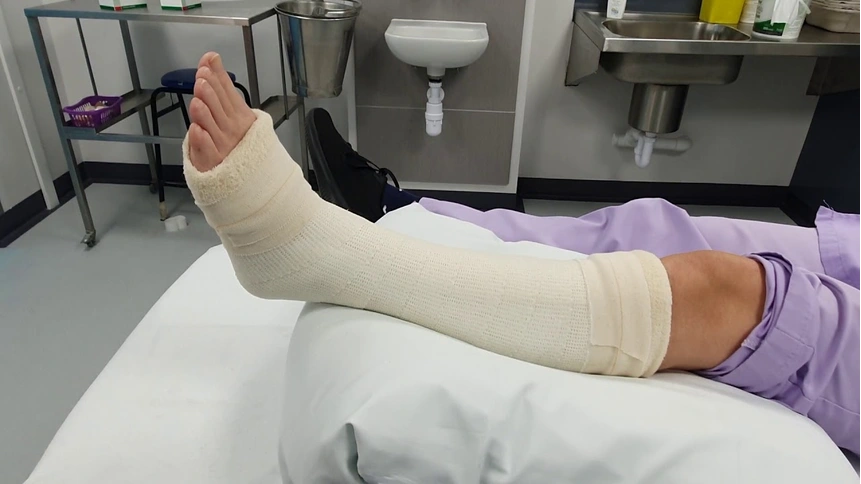
Fractures can significantly affect mobility, strength, and daily functioning, even after the bone has healed. Once the fracture is stabilized and the bone begins to heal, rehabilitation becomes essential to restore movement, flexibility, and muscle strength. At our physiotherapy clinic in Ramanathapuram, post fracture rehabilitation programs are designed to help patients regain mobility safely and return to their normal activities.
Physiotherapy plays a vital role in the recovery process by improving joint flexibility, rebuilding muscle strength, and restoring coordination. Structured rehabilitation programs help prevent stiffness, muscle weakness, and long-term movement limitations. Through evidence-based physiotherapy techniques and personalized treatment plans, patients can achieve faster and more effective recovery.
Post fracture rehabilitation is a physiotherapy process that helps restore strength, flexibility, and mobility after a bone fracture has healed. After immobilization with casts or splints, the muscles and joints around the fractured area often become weak and stiff. Rehabilitation exercises help restore normal movement and function.
At our physiotherapy clinic, rehabilitation programs are designed to gradually rebuild muscle strength and improve joint flexibility. Through guided physiotherapy techniques and therapeutic exercises, patients can safely return to their daily activities while preventing long-term movement limitations.
Post fracture rehabilitation usually begins once the fracture has stabilized and the doctor allows movement of the affected area. Starting physiotherapy at the right time helps restore mobility while preventing muscle weakness and joint stiffness.
Early physiotherapy intervention helps improve circulation, reduce swelling, and promote safe movement of the injured limb. With professional physiotherapy guidance, patients can recover faster and regain their physical independence.
Physiotherapy plays an essential role in restoring physical function after a fracture. Treatment focuses on improving joint mobility, strengthening weakened muscles, and improving coordination around the injured area.
Physiotherapists design personalized rehabilitation programs that gradually increase activity levels while protecting the healing bone. This structured approach ensures that the patient regains movement safely without placing excessive stress on the recovering bone.
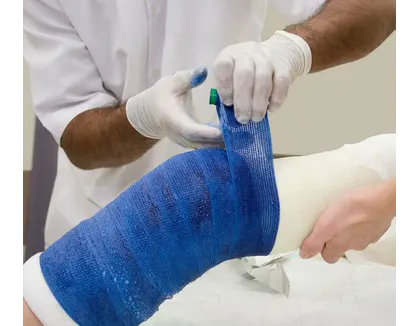

Rehabilitation is essential after a fracture because immobilization can lead to muscle weakness and reduced joint flexibility. Without proper physiotherapy, patients may experience long-term stiffness, reduced mobility, and difficulty performing daily activities.
Physiotherapy helps restore normal movement patterns and improves overall physical function. Rehabilitation also strengthens the surrounding muscles, providing better support for the healing bone and reducing the risk of future injuries.
Post fracture rehabilitation is beneficial for individuals of all ages recovering from fractures caused by accidents, falls, or sports injuries. It is especially important for patients who experience stiffness or weakness after the immobilization period.
Physiotherapy helps patients regain confidence in their movement and return to their daily routines safely. Through guided rehabilitation programs, individuals can improve mobility and maintain long-term musculoskeletal health.
Physiotherapy treatment after a fracture focuses on improving mobility and strengthening the muscles that support the affected bone. Therapeutic exercises help restore flexibility while improving circulation to the injured area.
At our physiotherapy clinic in Ramanathapuram, treatment programs include manual therapy, strengthening exercises, and rehabilitation techniques that promote safe recovery. These therapies help patients regain confidence in their movement while preventing complications during the healing process.
Rehabilitation exercises play a key role in restoring strength and mobility after a fracture. These exercises help improve muscle coordination, joint stability, and flexibility around the injured area.
Physiotherapists guide patients through carefully designed exercise programs that gradually increase intensity. This approach ensures safe recovery while minimizing the risk of re-injury or long-term stiffness.
Without proper rehabilitation, fractures can lead to complications such as joint stiffness, muscle weakness, and reduced mobility. Physiotherapy helps prevent these complications by restoring normal movement and strengthening the affected area.
Physiotherapists also provide guidance on posture correction, safe movement techniques, and lifestyle adjustments that support long-term recovery. These strategies help patients regain confidence in their physical activities.
After a fracture heals, many patients still experience difficulties such as stiffness, weakness, and reduced movement in the affected area. Immobilization during the healing process can lead to muscle tightness and decreased joint flexibility, making it difficult to return to normal activities.
At our physiotherapy clinic, rehabilitation programs focus on addressing these challenges through targeted exercises and physiotherapy techniques. These treatments help restore mobility and improve muscle strength, allowing patients to regain confidence in their physical movements.
Joint mobility often becomes limited after a fracture due to prolonged immobilization. Physiotherapy plays a key role in gradually restoring the natural movement of joints through controlled exercises and stretching techniques.
Physiotherapists carefully guide patients through mobility exercises that improve flexibility and reduce stiffness. This gradual approach ensures that the healing bone remains protected while restoring normal movement patterns.
Muscle strengthening is essential for supporting the bone that has healed after a fracture. Weak muscles around the injured area may increase the risk of further injuries or instability during movement.
Physiotherapy programs include strengthening exercises that gradually rebuild muscle endurance and stability. Strengthening the surrounding muscles improves overall joint support and allows patients to perform daily tasks safely.
Balance and coordination can be affected after a fracture due to reduced physical activity and muscle weakness. Physiotherapy rehabilitation focuses on restoring these abilities through targeted exercises that improve body control and stability.
Balance training exercises help patients regain confidence in their movements and reduce the risk of falls or further injuries. This aspect of rehabilitation is especially important for older adults recovering from fractures.
Returning to normal daily activities is one of the primary goals of post fracture rehabilitation. Physiotherapy helps patients regain the strength and mobility required to perform everyday tasks such as walking, lifting, or climbing stairs.
Through structured rehabilitation programs, patients gradually build confidence in their movement and regain independence. Physiotherapists also provide guidance on safe activity techniques to prevent excessive stress on the healing bone.
Post fracture rehabilitation usually progresses through several stages depending on the severity of the fracture and the patient’s recovery progress. Each stage focuses on improving mobility, strength, and functional movement while protecting the healing bone.
| Rehabilitation Stage | Focus of Treatment | Expected Outcome |
|---|---|---|
| Early Stage | Gentle mobility exercises and pain management | Reduce stiffness and maintain joint movement |
| Intermediate Stage | Muscle strengthening and flexibility training | Restore muscle strength and improve mobility |
| Advanced Stage | Functional movement exercises | Improve balance and coordination |
| Activity Recovery Stage | Controlled physical activities | Prepare for return to daily activities |
| Maintenance Stage | Strength and flexibility exercises | Prevent future injuries |
Different types of fractures may require different physiotherapy rehabilitation approaches. Physiotherapists assess the affected bone and surrounding muscles to design a treatment plan that supports safe recovery.
| Fracture Type | Commonly Affected Area | Physiotherapy Focus |
|---|---|---|
| Wrist Fracture | Wrist Joint | Mobility exercises and grip strengthening |
| Ankle Fracture | Ankle Joint | Balance training and mobility exercises |
| Arm Fracture | Upper Arm or Forearm | Muscle strengthening and flexibility training |
| Leg Fracture | Femur or Tibia | Walking rehabilitation and muscle strengthening |
| Shoulder Fracture | Shoulder Joint | Range of motion exercises and strengthening |
Physiotherapy rehabilitation uses several therapeutic techniques to restore mobility, reduce pain, and improve muscle strength after a fracture.
| Physiotherapy Technique | Purpose | Benefit |
|---|---|---|
| Manual Therapy | Improves joint mobility | Reduces stiffness and improves flexibility |
| Therapeutic Exercises | Strengthens muscles | Restores movement and stability |
| Electrotherapy | Pain relief treatment | Reduces discomfort and inflammation |
| Ultrasound Therapy | Stimulates tissue healing | Accelerates recovery |
| Balance Training | Improves coordination | Reduces risk of falls |
Recovering from a fracture requires patience, proper rehabilitation, and professional physiotherapy support. At our physiotherapy clinic, post fracture rehabilitation programs focus on restoring strength, improving mobility, and helping patients return to their daily activities safely.
Through personalized physiotherapy care and structured rehabilitation exercises, we help patients regain confidence in their movement and achieve long-term physical recovery.
Schedule your consultation today at our physiotherapy clinic in Ramanathapuram and start your journey toward effective post fracture recovery and improved mobility.
Post fracture rehabilitation is a physiotherapy program that helps restore strength, flexibility, and mobility after a bone fracture has healed. It focuses on improving joint movement, strengthening muscles, and helping patients safely return to their daily activities.
Post fracture rehabilitation usually begins after the bone has stabilized and a doctor allows movement of the affected area. Starting physiotherapy at the right time helps prevent stiffness, muscle weakness, and reduced joint mobility.
Physiotherapy helps improve joint mobility, strengthen weakened muscles, and restore normal movement patterns. Treatment may include therapeutic exercises, manual therapy, balance training, and rehabilitation programs designed to support safe recovery.
The duration of rehabilitation depends on the type and severity of the fracture, the patient’s age, and overall health. Mild fractures may recover within a few weeks, while complex fractures may require several weeks or months of physiotherapy.
Post fracture rehabilitation is important because immobilization can cause muscle weakness and joint stiffness. Physiotherapy helps restore mobility, strengthen muscles, and prevent long-term complications after a fracture.

